
Types of spectacle frames: full-rim, Supra, rimless and three-piece explained
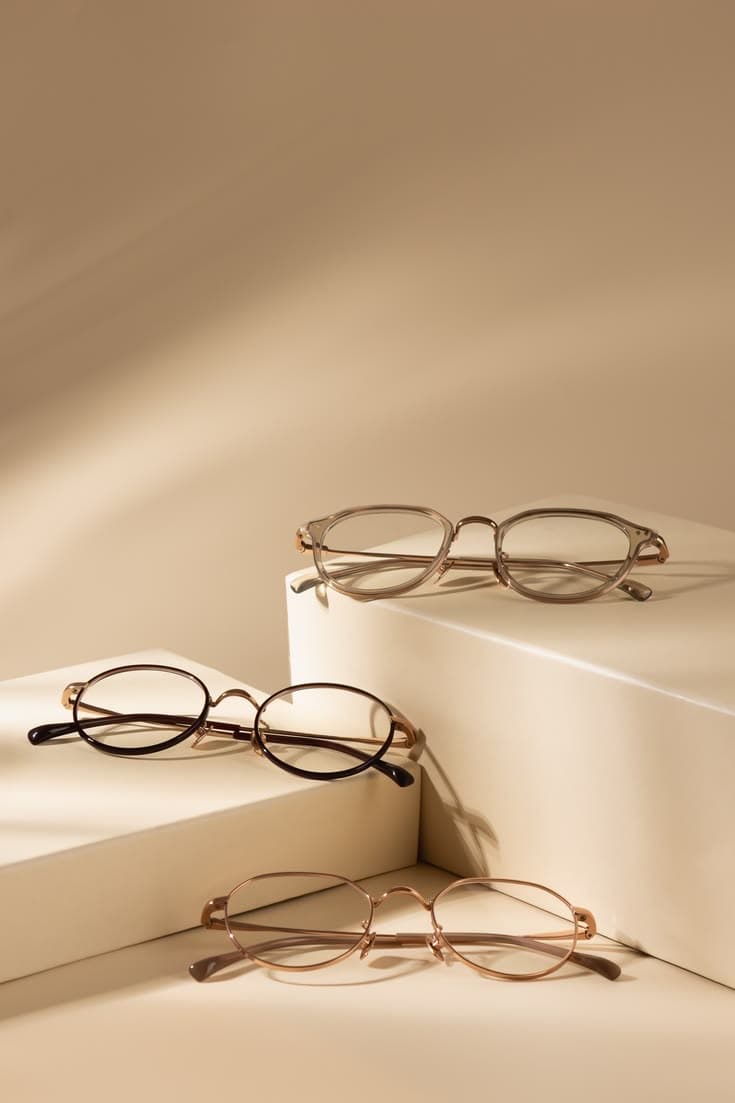
There are four main types of spectacle frames: full-rim, Supra (half-rim), rimless or three-piece, and combination frames, each made in materials from metal and titanium to acetate and TR90. Customers walk in asking for "a light frame" or "something that doesn't break". Knowing the frame types and materials, and who each suits, helps you narrow 300 frames on the wall down to the five worth showing.
Different types of spectacle frames by style
| Style | What it is | Good for | Watch out for |
|---|---|---|---|
| Full-rim | A complete rim surrounds each lens. | High powers (the rim hides thick edges), children, durability, bold looks. | Heavier; strong powers can still look thick from the side. |
| Supra (half-rim) | A rim on top; the lens bottom is held by a thin nylon cord in a groove. | A lighter, professional look; low to moderate powers. | Lenses need a groove, so very thin high-index or rimless-only lenses may not suit. The cord can loosen and needs replacing. |
| Rimless / three-piece | No rim. The bridge and temples are fixed to the lens through drilled holes. | The lightest, most invisible look; low powers; customers who want minimal frames. | Needs tough lenses (polycarbonate or Trivex are common). Drill points can crack with rough handling. |
| Combination | Metal and plastic mixed, e.g. a plastic browline with a metal lower rim. | Fashion-led customers who want a classic shape. | Check the hinges and screw quality. |
Spectacle frame materials
- Metal (stainless steel, alloys): slim and adjustable with adjustable nose pads. A safe default for most adults.
- Titanium: very light and strong, and suitable for many people with metal allergies. Costs more.
- Acetate: a plant-based plastic available in rich colours and patterns. Comfortable and durable, a little heavier.
- TR90 and other flexible plastics: light and bend without breaking. Popular for children and active customers.
- Injection-moulded plastic: low cost and light, but less adjustable and less durable. Good for budget and backup pairs.
Matching the frame to the prescription
- High minus powers: smaller full-rim frames with a thick rim hide edge thickness. Avoid large, rimless shapes.
- High plus powers: smaller round or oval shapes keep lenses thinner and lighter.
- Progressives: the frame needs enough depth (lens height) below the pupil for the reading area. Very shallow frames limit the near zone.
- Children: flexible materials, spring hinges and a secure fit behind the ears.
Face shape: a quick guide
As a starting point, choose a frame that contrasts with the face shape: angular frames for round faces, round or oval frames for square faces, and wider frames for long faces. The frame width should roughly match the width of the face at the temples, and the eyes should sit near the centre of each lens. Then let the customer decide: what they like wearing matters more than any rule.
Keeping frame stock organised
Record every frame with its style, material, colour, size and brand, so you can see what sells and reorder before a popular model runs out. Opticdigit's stock uses these trade terms (Supra, three-piece, sheet metal and more) and reduces stock automatically when a frame is billed, so the counter always knows what is on the wall. A barcode label on every spectacle frame makes counting quick, and our optical inventory management software guide covers the rest of the routine. To match frames with lenses, see types of spectacle lenses.
Frequently asked questions
What are the different types of spectacle frames?
There are four main types: full-rim (a rim all round each lens), Supra or half-rim (a rim on top and a nylon cord below), rimless or three-piece (no rim; the bridge and temples are fixed to drilled lenses), and combination frames that mix metal and plastic.
What is a Supra frame?
A Supra is a half-rim frame. It has a rim along the top, and the bottom of the lens is held by a thin nylon cord that sits in a groove cut into the lens edge. It looks lighter than a full-rim and suits low to moderate powers.
Which type of spectacle frame is best for high power?
A smaller full-rim frame. The rim hides the thick edges of high minus lenses, and a smaller shape keeps lenses thinner and lighter. Large rimless shapes show the edge thickness the most.
What types of spectacles glasses are there?
By frame, spectacles are full-rim, Supra (half-rim), rimless or combination. By lens, they are single vision, bifocal, progressive or office lenses. See our guide to types of spectacle lenses for the lens side.
Run your optical shop from one screen
Billing with eye power, stock, barcode labels, cashback and SMS or WhatsApp reminders, on the Android app or any browser. Plans from ₹2,500 a year.
Keep reading
 EYEWEAR BASICS · 3 MIN
Types of spectacle lenses explained: single vision, bifocal, progressive and coatings
Types of spectacle lenses: single vision, bifocal, progressive; CR-39, polycarbonate, high-index; ARC, blue-cut and photochromic coatings explained.
 GROW YOUR SHOP · 3 MIN
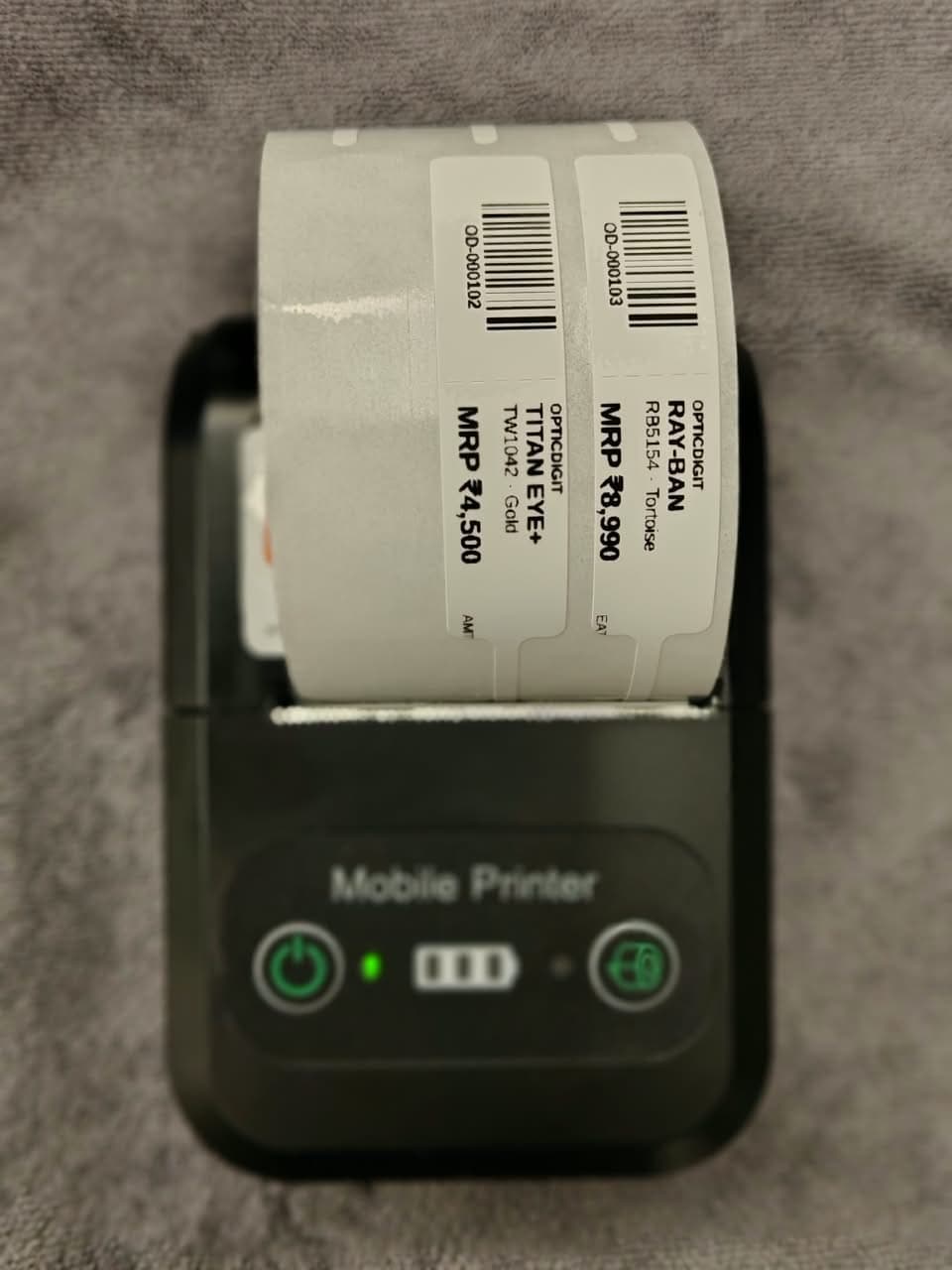
Barcode labels for spectacle frames: optical tags that track your stock
Barcode labels for spectacle frames: what to print on optical frame tags (MRP, SKU, model), loop tag or sticker, and printing them on your bill printer.
 GROW YOUR SHOP · 4 MIN
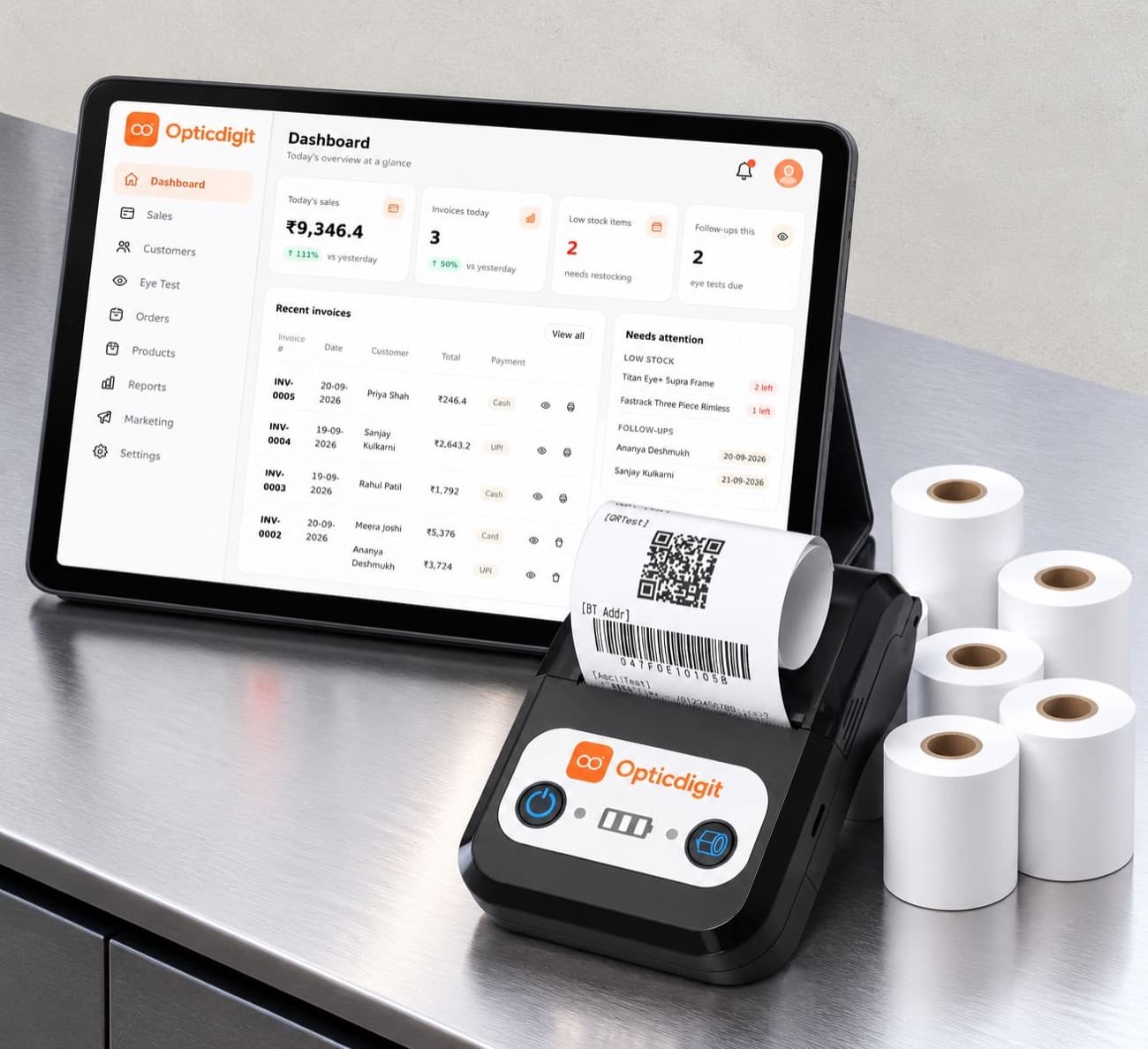
Optical inventory management software: a 7-step stock guide for opticians
Optical inventory management in 7 steps: label, count and reorder frames, lenses and contact lenses, and what optical inventory software does for you.