
Progressive lens fitting height: how to measure, fit and explain progressives
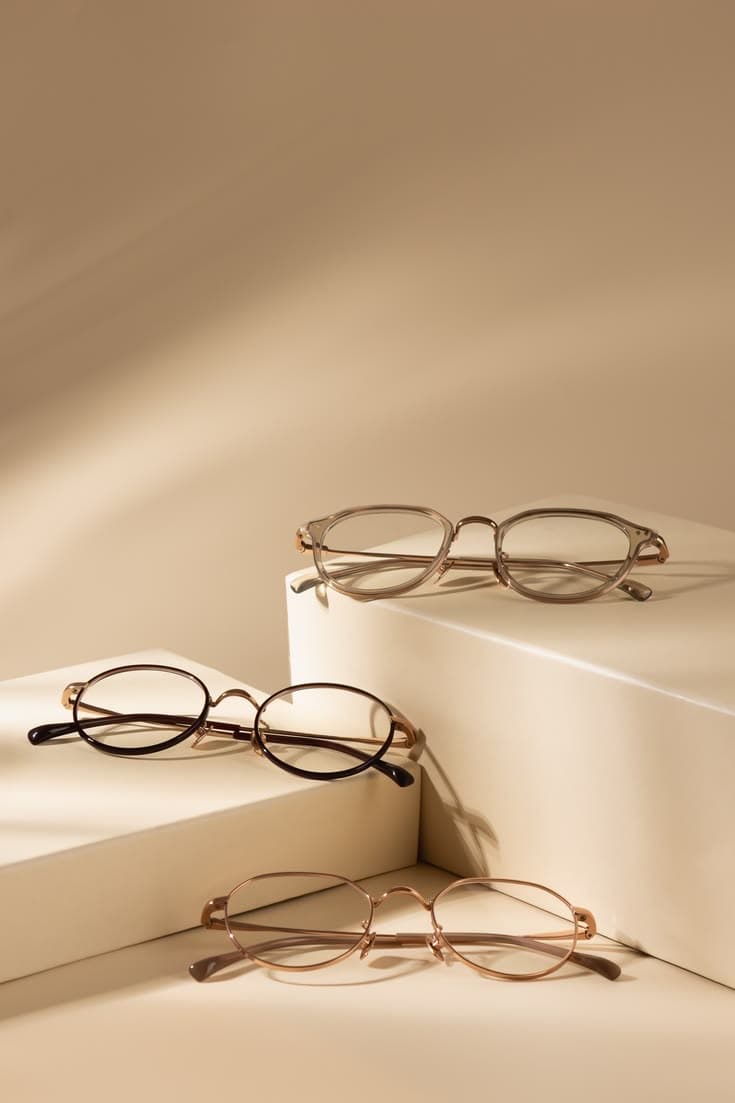
Progressive lens fitting height is the distance from the centre of each pupil to the bottom of the lens opening, measured with the customer wearing the chosen frame, and it is the measurement that most often decides whether a pair of progressives works. Progressive lenses are one of the highest-value sales in an optical shop, and one of the most common reasons for complaints. Most problems come from measurement and expectations, and both are in your control.
Who progressives suit
Customers with an ADD on their prescription who want one pair for distance, computer and reading, without the visible line of a bifocal. They suit people who are motivated to adapt; someone who reads for hours may still prefer a separate pair for reading.
The measurements that matter
- Monocular PD (each eye from the centre of the nose), not just the total.
- Fitting height: from the centre of the pupil to the bottom of the lens opening, measured with the chosen frame adjusted on the face.
- Frame adjustment first: tilt, nose pads and temples set before you measure.
- For premium designs, the lab may ask for vertex distance, pantoscopic tilt and wrap angle.
How to measure fitting height for progressive lenses
- Adjust the chosen frame on the customer's face first: nose pads, temples and tilt, so it sits the way it will be worn.
- Sit or stand at the same eye level as the customer and ask them to look straight at your eyes, in their natural head and body posture.
- Mark the centre of each pupil on the demo lens with a fine marker, one eye at a time.
- Measure from each mark straight down to the lowest point of the lens opening, in millimetres. Record right and left separately; they are often different.
- Check the result against the lens design's minimum fitting height. If it is too small, choose a deeper frame or a short-corridor design.
- Note the monocular PD for each eye with the fitting heights, so the lab gets the full set.
Choosing the frame
- Enough lens depth below the pupil for the reading zone; check the lens maker's minimum fitting height.
- A frame that sits steadily and doesn't slide down the nose.
- Avoid very narrow or very steeply wrapped frames unless the lens design supports them.
Explaining adaptation
- Distance at the top, computer in the middle, reading at the bottom.
- Point your nose at what you want to see; move your head, not just your eyes.
- The sides of the lens are softer; that's normal.
- Wear them all day for the first one to two weeks instead of switching back to old glasses.
- Take care on stairs at first: look down through the top of the lens.
When a customer can't adapt
Recheck the measurements and frame fit before blaming the lens: a fitting height a few millimetres off is a common cause. Confirm the prescription and ADD. Agree your remake policy with your lens supplier in advance so you can tell customers clearly what happens if they don't adapt.
Saving monocular PD, fitting height and lens design on the bill means a remake or a second pair is made exactly the same way. Opticdigit keeps these details with each customer's history, and on Premium and above tracks each lens order from prescription to lab to delivery. See how it fits your shop on the plans page, or read how to read an eye prescription for the ADD and PD basics.
Frequently asked questions
What is the fitting height for progressive lenses?
Fitting height is the vertical distance, in millimetres, from the centre of the pupil to the bottom of the lens opening, measured with the customer wearing the chosen frame, adjusted. It tells the lab where to place the start of the progressive corridor for each eye.
Is one measurement enough when ordering progressive lenses?
No. Order with the monocular PD and fitting height for each eye separately, the prescription with ADD, the lens design and the frame size. For premium designs the lab may also ask for vertex distance, pantoscopic tilt and wrap angle. A single total PD or one fitting height for both eyes is a common cause of remakes.
What is the minimum fitting height for a progressive lens?
It depends on the lens design. Each lens maker publishes a minimum fitting height for its designs, and short-corridor designs allow a smaller one. Check the figure for the lens you are ordering and choose a frame with enough depth below the pupil.
What is a progressive lens?
A progressive lens changes power gradually from distance at the top, through intermediate, to reading at the bottom, with no visible line. It suits customers with an ADD on their prescription who want one pair for everything.
Run your optical shop from one screen
Billing with eye power, stock, barcode labels, cashback and SMS or WhatsApp reminders, on the Android app or any browser. Plans from ₹2,500 a year.
Keep reading
 EYEWEAR BASICS · 3 MIN
Types of spectacle lenses explained: single vision, bifocal, progressive and coatings
Types of spectacle lenses: single vision, bifocal, progressive; CR-39, polycarbonate, high-index; ARC, blue-cut and photochromic coatings explained.
EYEWEAR BASICS · 9 MINHow to read an eye prescription: SPH, CYL, AXIS, ADD and PD meaning
How to read an eye prescription: SPH is the main power, CYL and AXIS correct astigmatism, ADD (e.g. +2.00) is for reading. Sample slip and table inside.
GROW YOUR SHOP · 1 MINHandling customer complaints and remakes in an optical shop
A calm, step-by-step way to handle "I can't see clearly" complaints and remakes in an optical shop, and how to prevent them in the first place.